Aloe Vera, Arnica Oil & Epsom Salt:
The 6-Second Night Routine People Are Using for Soothing Relief Before Bed
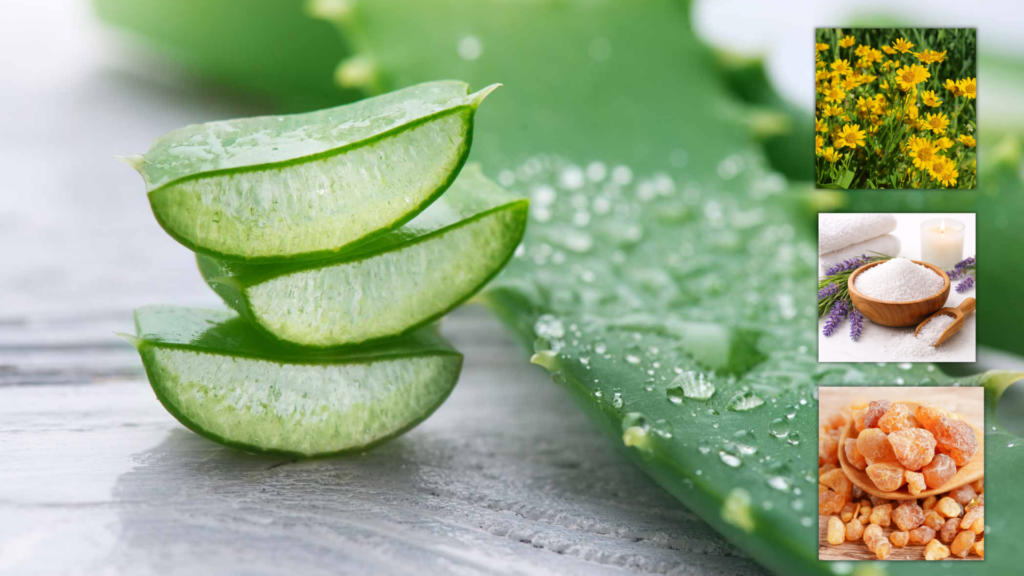
There’s a simple 6-second routine people have been using before bed… and the reason it’s getting so much attention comes down to a few well-known ingredients used together in a different way.
Instead of complicated methods, this routine focuses on combining Aloe Vera, Arnica Oil, and Epsom Salt into a quick nighttime application that takes just a few seconds.
Here’s why these ingredients stand out:
- Aloe Vera – Helps soothe the skin and calm irritation, creating a cooling and relaxing sensation where applied.
- Arnica Oil – Commonly used to ease tension and discomfort in overworked or sensitive areas of the body.
- Epsom Salt – Rich in magnesium, known for supporting muscle relaxation and helping reduce physical tension.
And here’s an interesting detail most people don’t know…
This routine also include something called Indian Frankincense — a plant-based compound that’s been studied for its potential role in supporting a healthy inflammatory response and helping the body feel more at ease.
When applied together before bed, this simple combination works with your body’s natural nighttime recovery phase — when relaxation and restoration are at their peak.
Many people report feeling an immediate soothing effect… and over time, less tension, less sensitivity, and more comfort when trying to rest.
It’s simple. It’s quick. And that’s exactly why so many people are starting to pay attention to it.
If you want to see exactly how this 6-second routine works — and check if you can still get the current discount — tap below now.
You’ll be taken directly to the official page, where everything is explained step by step.
Don’t wait until tonight gets worse.
1904 people already claimed this discount...

- Alhassen L, Nuseir K, Ha A, Phan W, Marmouzi I, Shah S, Civelli O. The extract of Corydalis yanhusuo prevents morphine tolerance and dependence. Pharmaceuticals. 2021 Oct 12;14(10):1034. doi:10.3390/ph14101034
- Ang L, Jaiswal M, Martin C, Pop-Busui R. Glucose control and diabetic neuropathy: lessons from recent large clinical trials. Current Diabetes Reports. 2014;14(9):528. doi:10.1007/s11892-014-0528-7.
- Deters A, Zippel J, Hellenbrand N, Pappai D, Possemeyer C, Hensel A. Aqueous extracts and polysaccharides from Marshmallow roots (Althea officinalis L.): Cellular internalisation and stimulation of cell physiology of human epithelial cells in vitro. Journal of Ethnopharmacology. 2010 Jan 8;127(1):62-69.
- Fedurco M, Gregorová J, Šebrlová K, Kantorová J, Peš O, Baur R, Sigel E, Táborská E. Modulatory Effects of Eschscholzia californica Alkaloids on Recombinant GABAA Receptors. Biochemistry Research International. 2015;2015:617620. doi:10.1155/2015/617620.
- Ficke J, Varacallo M. Anatomy, Head and Neck: Foramen Magnum. Treasure Island (FL): StatPearls Publishing; 2024 Jan.
- Gouws CA, Georgousopoulou EN, Mellor DD, McKune A, Naumovski N. Effects of the Consumption of Prickly Pear Cacti (Opuntia spp.) and its Products on Blood Glucose Levels and Insulin: A Systematic Review. Medicina (Kaunas). 2019 May 15;55(5):138. doi:10.3390/medicina55050138.
- Haber I, Pergolizzi J Jr, LeQuang JA. Poppy Seed Tea: A Short Review and Case Study. Pain and Therapy. 2019 Jun;8(1):151-155. doi:10.1007/s40122-019-0113-5.
- Hanus M, Lafon J, Mathieu M. Double-blind, randomised, placebo-controlled study to evaluate the efficacy and safety of a fixed combination containing two plant extracts (Crataegus oxyacantha and Eschscholtzia californica) and magnesium in mild-to-moderate anxiety disorders. Current Medical Research and Opinion. 2004 Jan;20(1):63-71. doi:10.1185/030079903125002603.
- Hulett NA, Scalzo RL, Reusch JEB. Glucose Uptake by Skeletal Muscle within the Contexts of Type 2 Diabetes and Exercise: An Integrated Approach. Nutrients. 2022 Feb 3;14(3):647. doi:10.3390/nu14030647.
- Ngan A, Conduit R. A double-blind, placebo-controlled investigation of the effects of Passiflora incarnata (passionflower) herbal tea on subjective sleep quality. Phytotherapy Research. 2011 Aug;25(8):1153-1159. doi:10.1002/ptr.3400.
Mainstreet Health Digest Copyright 2023. All rights reserved.
This site is not a part of Google, Inc. or Google.com, nor is it sponsored or endorsed by Google. YouTube is a trademark of Google, Inc.
Disclaimer: This site is provided for educational purposes only.
Please consult a health professional before implementing any strategy discussed on this website.
é orgulhosamente mantido com WordPress